




JoVE Coach | Khan Academy | YouTube | ChatGPT | Chegg | |
|---|---|---|---|---|---|
| 2-minute focused videos2-minute focused videos | × | × | × | × | |
| Expert- created contentExpert-created content | × | × | |||
| Curriculum-alignedCurriculum-aligned | × | × | × | ||
| Structured micro-coursesStructured micro-courses | × | × | × | ||
| Verified accuracyVerified accuracy | × | × | × | ||
| Science-focusedScience-focused | × | × | × |

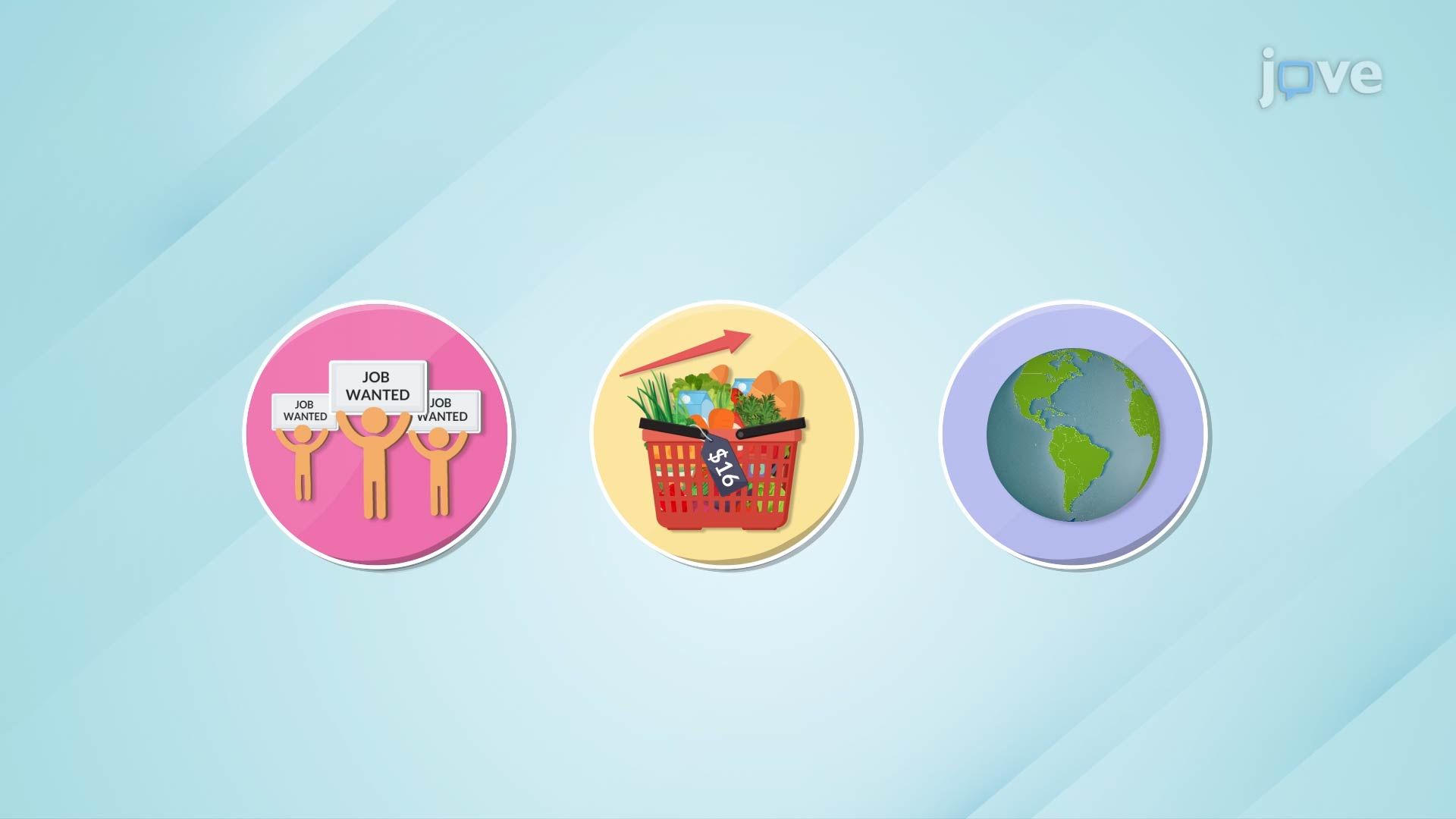
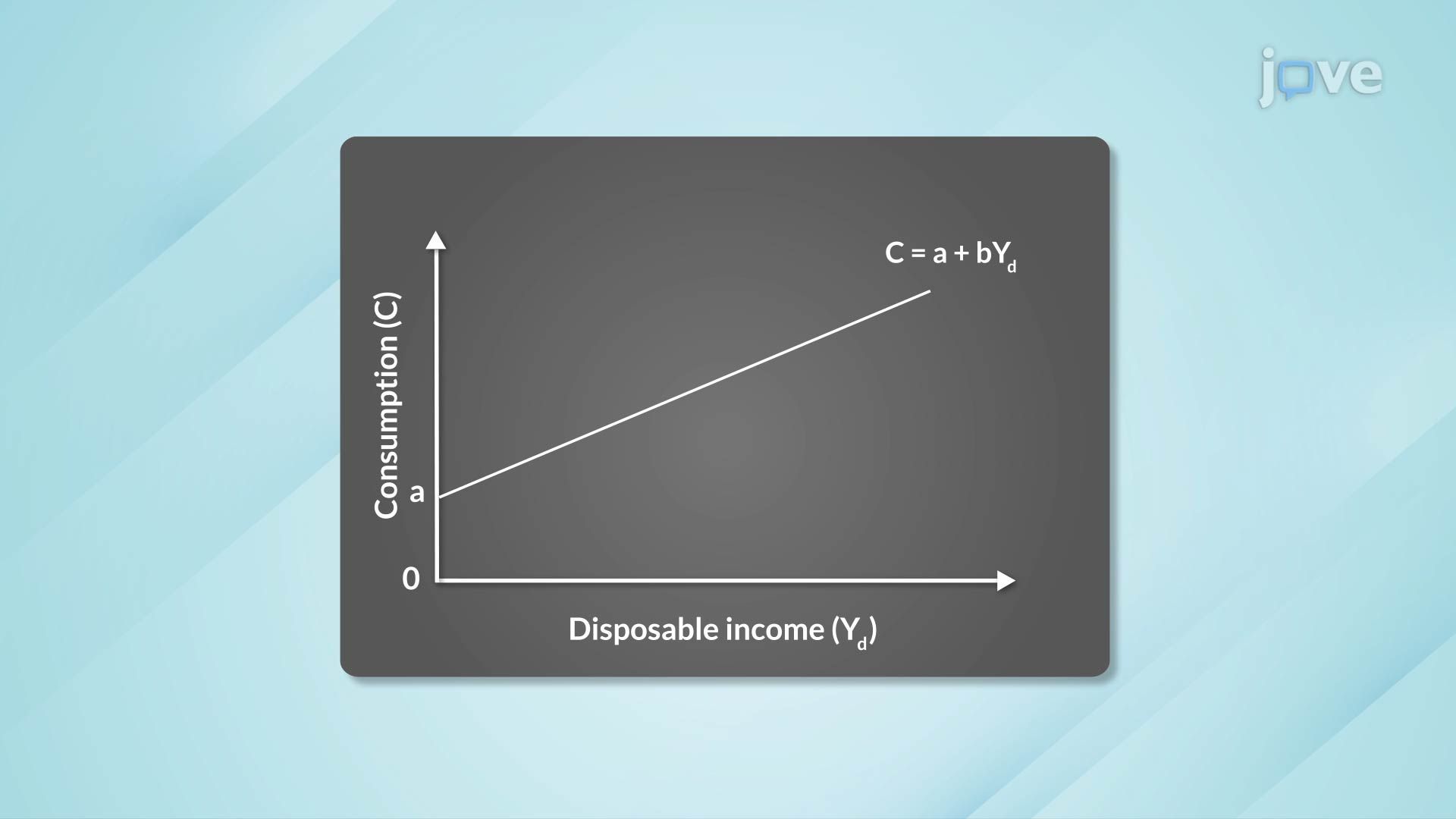
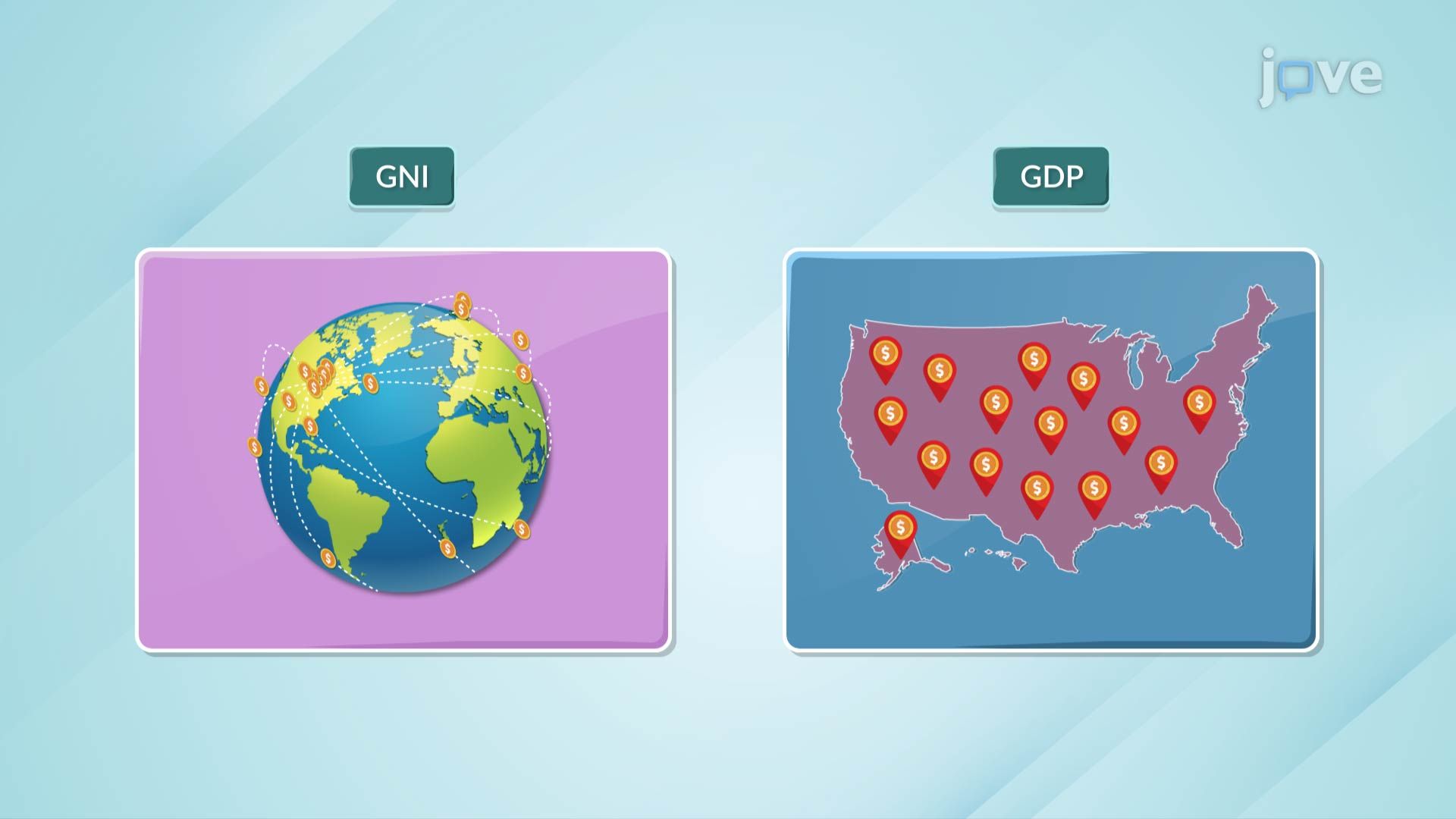
Macroeconomics can be challenging because it requires you to think about the economy as a whole — GDP, inflation, unemployment, and monetary policy — using models and graphs that feel abstract compared to everyday experience. Many students struggle when they need to interpret aggregate supply and demand curves or understand how central bank decisions ripple through an entire economy. However, when these large-scale concepts are broken down into focused, visual lessons with clear real-world examples, macroeconomic thinking becomes much more intuitive.